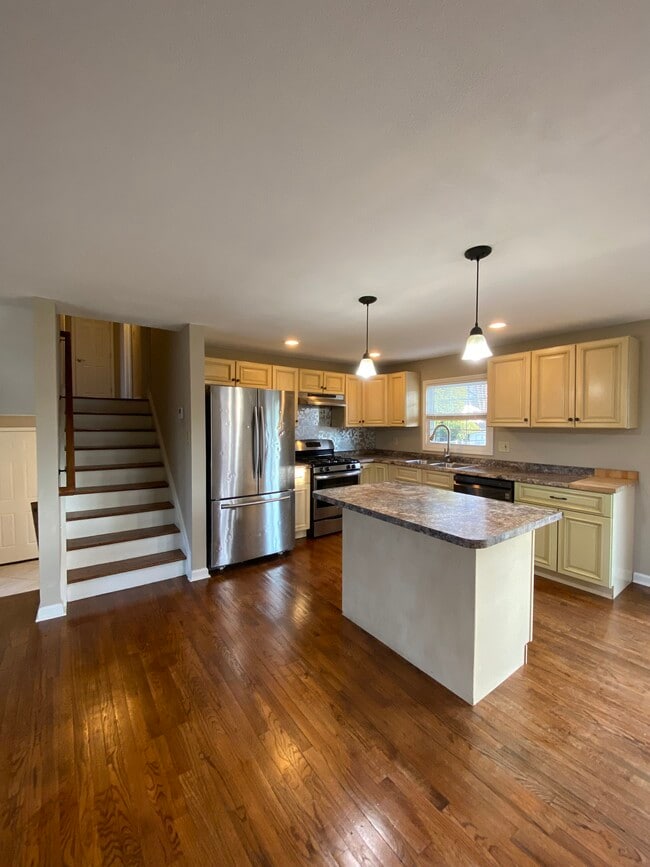
Much of northern Clay remains undeveloped, with trees and farm acreage.
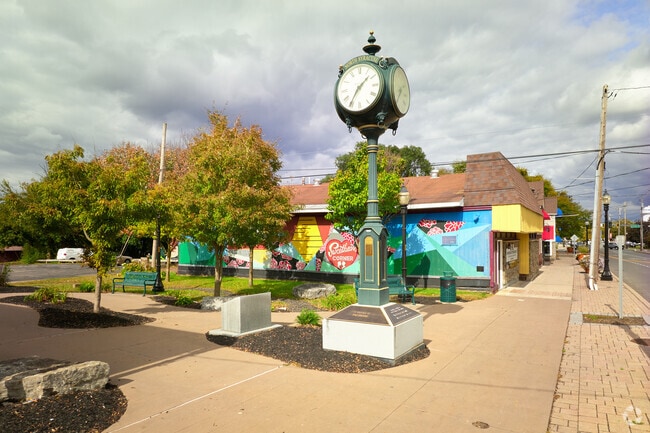
A town clock on North Main Street.
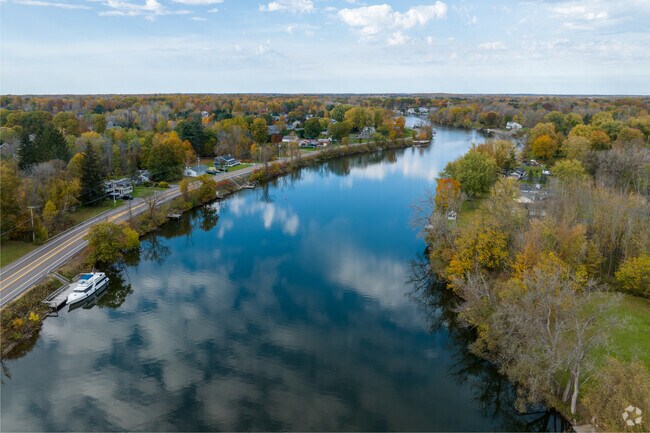
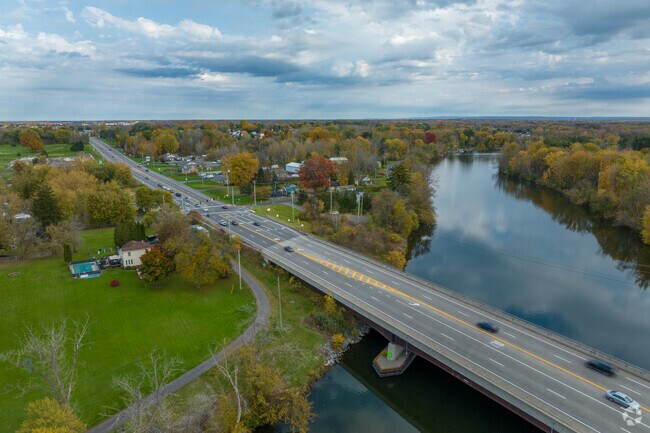
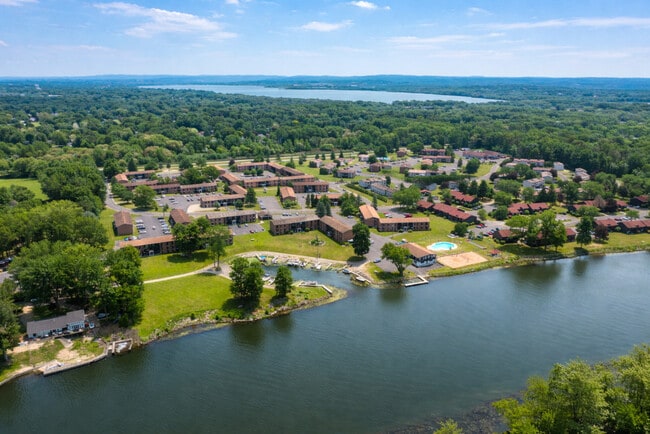
Belgium is bordered on one side by the Seneca River.
Belgium is inside the larger town of Clay and occupies the eastern shore of the river.
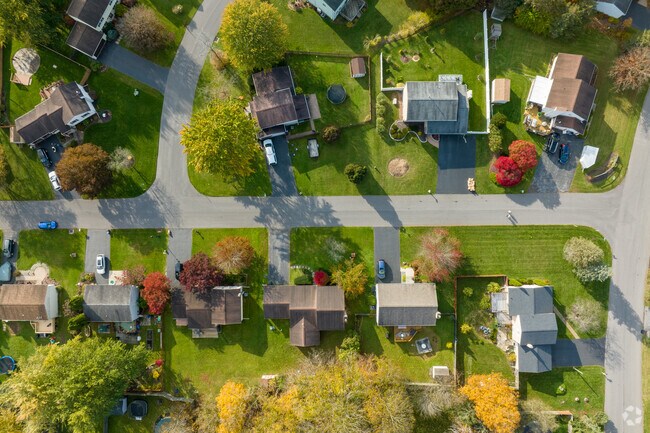
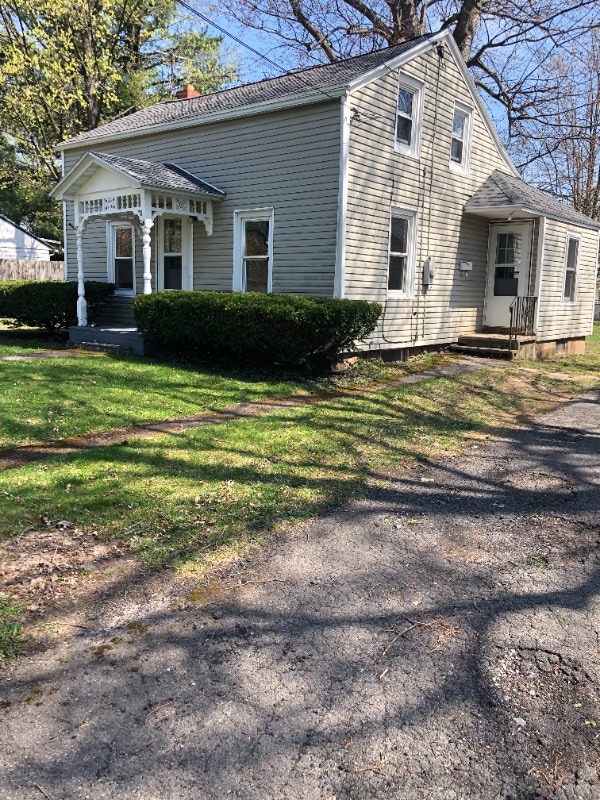
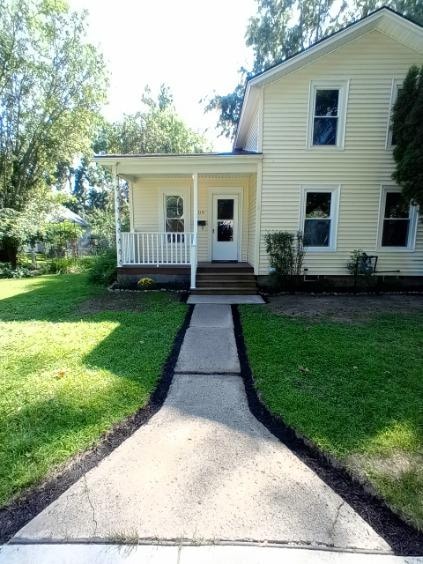
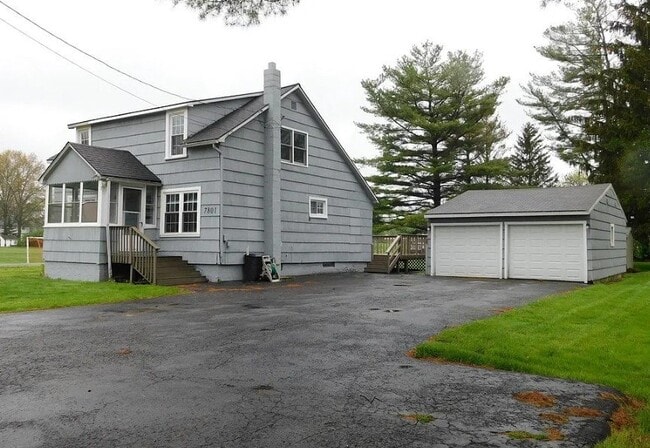
Some of the Belgium streets have many larger homes in narrow but sometimes deep lots.

Clay, NY Area Guide

Avg Rent

$1,321

Population

11,262

Renter Mix

13% Rent

A Syracuse suburb with a laidback atmosphere

Suburban Scenic Historic

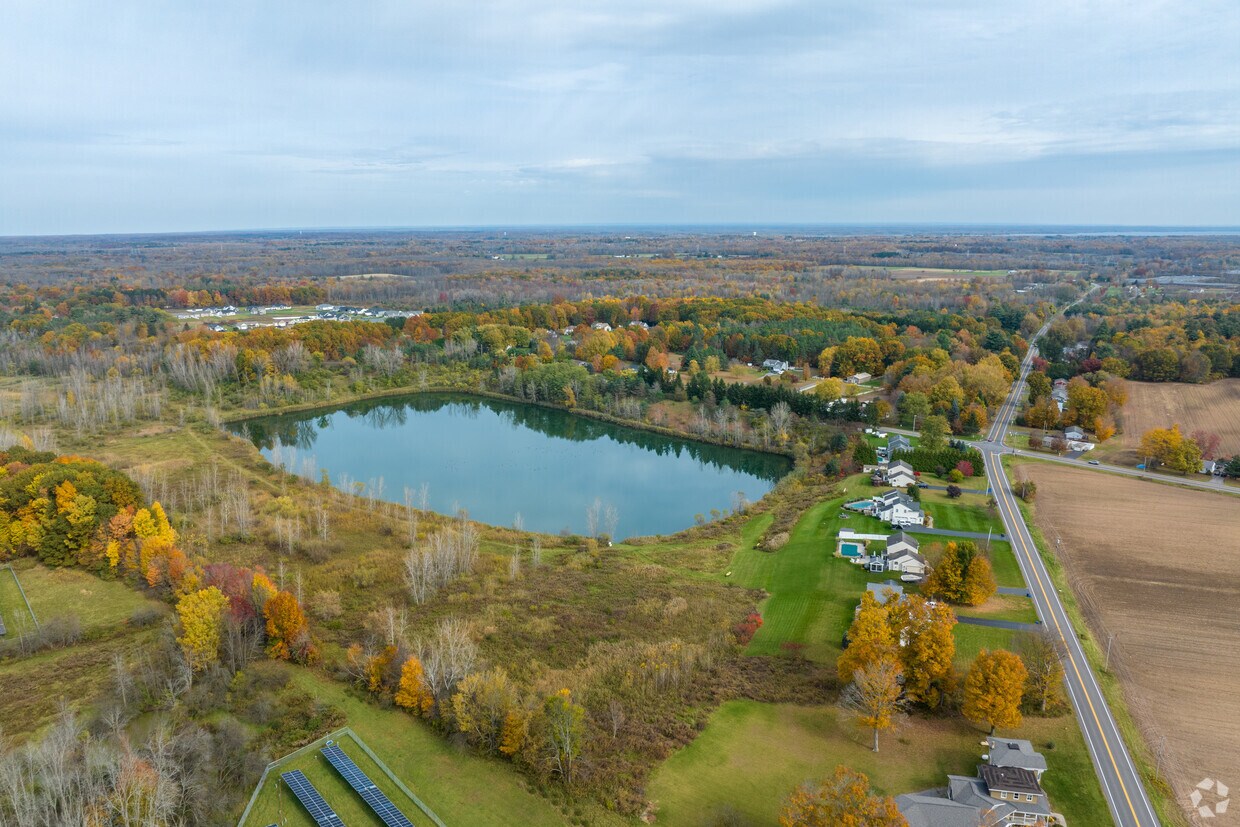
Clay is Syracuse's most populous suburb, where residents are spread across roughly 49 square miles of tree-lined streets, open land, and waterfront scenery north of the Seneca River. Daily life here revolves around a quiet, residential pace with commercial activity concentrated along NY Route 31, where grocery runs, dining, and everyday errands are all within easy reach. Downtown Syracuse is only about 13 to 15 miles to the south.

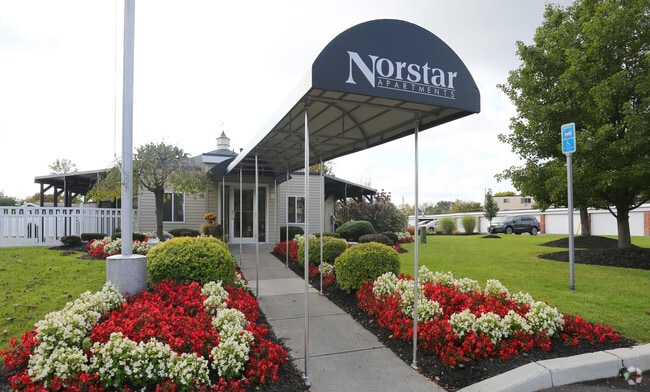
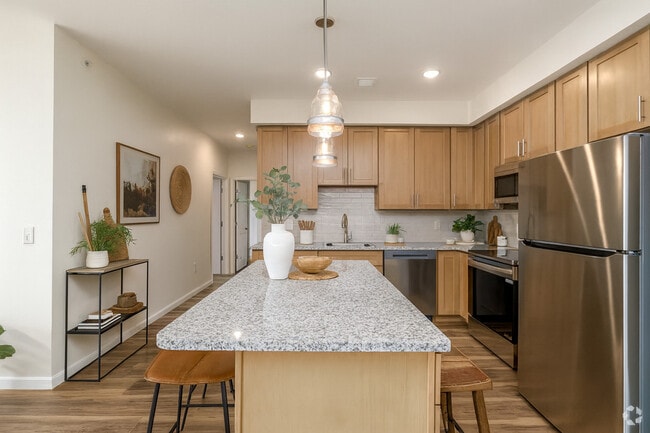
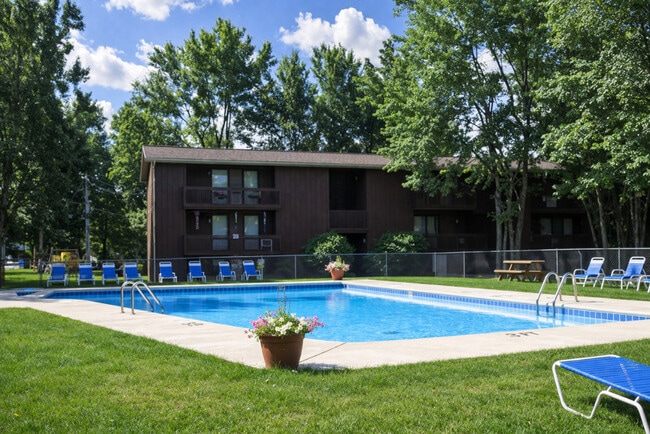
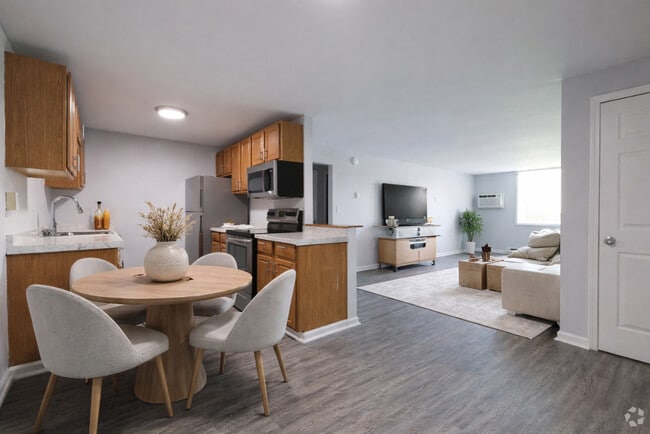
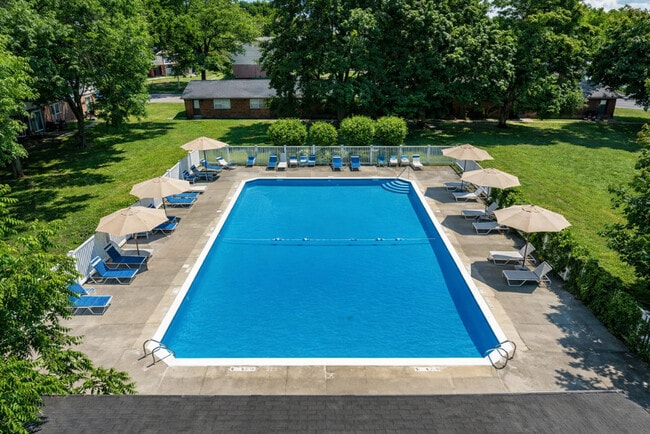
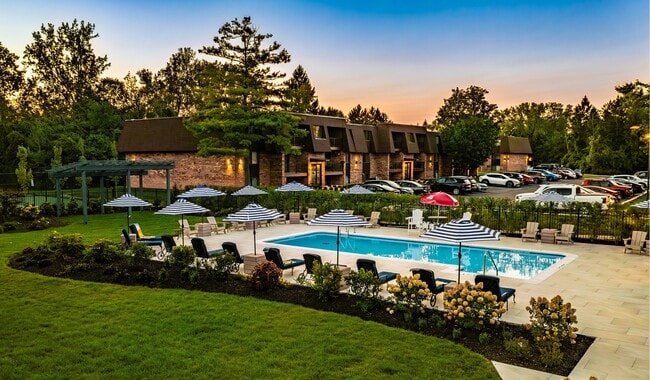
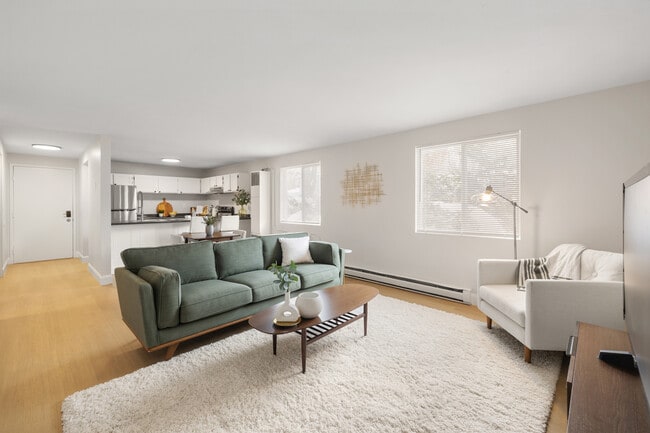
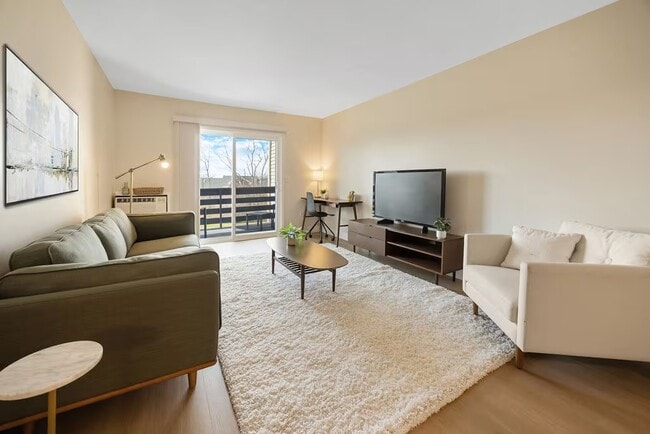
The rental stock in Clay ranges from sprawling apartment communities covered in trees to a selection of contemporary options with panel siding and stone facade exteriors. The rental housing landscape leans toward spacious floor plans with more square footage than renters typically find closer to the city core.

Named after American statesman Henry Clay, the town is currently at the center of one of the largest economic developments in New York State history. Micron Technology is constructing a complex of four megafab memory chip manufacturing buildings here, a project expected to create tens of thousands of jobs and reshape the region's economic landscape for decades to come.

Explore the City

Belgium is bordered on one side by the Seneca River.

Belgium is inside the larger town of Clay and occupies the eastern shore of the river.

Some of the Belgium streets have many larger homes in narrow but sometimes deep lots.

Clay is home to shopping and dining options that draw people in from the smaller local area.

Oneida Shores County Park offers the best views of the lake near Rodger Corner.

Local shoppers know that Wegman's has the best selection of groceries available.

Demographics

Median Household Income

$102,292

Average: $117,115

Education

3,612

Residents Have a Degree

Job Market

6,323

Workers Employed

Age Distribution
Get a sense of this area's population profile.

Median Age

42 Years

Largest Age Group

40-49 Years

Approximately 14% of Residents

Under 20

24%

Over 65

19%
Housing Distribution

Clay has more homeowners than renters.

Renters
13%
Non-Renters
87%

Education Distribution

Review this city's overall education levels.

Bachelor's or Higher
28%
Other Education
72%

Rent Trends

As of September 2026, the average apartment rent in Clay, NY is $1,321 for one bedroom, and $1,918 for two bedrooms. Apartment rent in Clay has increased by 0.3% in the past year.

Property Type
Average Rent
Average Sq Ft
Apartment
$1,321/month
863 Sq Ft
House
$2,566/month
1,371 Sq Ft
See Rental Market Trends in Clay, NY

Learn More About Clay

Getting Around

Somewhat Walkable

Walkability

20 / 100

Exceptionally Drivable

Drivability

100 / 100

Somewhat Bikeable

Bikeability

20 / 100

Points of Interest

Top Apartments in Clay

Houses for Rent in Clay

Living in Clay

History

-

Before European settlers arrived, the land that became Clay was home to the Onondaga Nation, whose presence shaped the cultural and geographic identity of the broader region. The town takes its name from Henry Clay, the prominent American attorney and statesman, a nod to the civic-minded idealism of its founding era.

Traces of that agricultural past still appear in the historic barns and open stretches of land visible to the town's north. Clay holds the distinction of being the largest town in Onondaga County, a fact that reflects steady growth from its rural origins into the sprawling suburb it is today.

Restaurants

-

Dining in Clay skews toward the convenient, with a well-stocked corridor of national chain restaurants running along Route 31. The commercial strip makes it easy to grab a meal without much of a drive, covering everything from casual American fare to fast-casual options.

For a sit-down experience with local character, residents head to nearby Baldwinsville, where riverfront restaurants line the Seneca River, or make the short trip to downtown Syracuse for a wider range of cuisines. The roughly 15-mile drive south opens up considerably more options for those craving something beyond the suburban strip.

Transportation

-

Getting around Clay means getting behind the wheel. The town is car-dependent by design, with NY Route 31 and State Route 481 serving as the primary arteries connecting residents to neighboring communities and regional interstates. Most daily errands require a drive, and the commercial corridor along Route 31 is built to accommodate that reality.

Syracuse Hancock International Airport is about 12 miles away, roughly an 18-minute drive, and the Syracuse Regional Transportation Center, which serves Amtrak and regional rail, is approximately 15 miles south and reachable in about 20 minutes. Those needing broader transit connections will find that the city's infrastructure is close enough to access without requiring a long commute.

Parks

-

Clay Central Park anchors the town's outdoor recreation scene with an amphitheater, tennis courts, athletic fields, play areas, and a 36-hole disc golf course. The park also hosts the annual Fall Fun Festival, drawing locals together for food trucks, obstacle courses, crafts, and community competitions.

Three Rivers Point offers a scenic waterfront setting for fishing and recreational boating, while North Clay Park provides Little League fields and a playground for casual afternoons outdoors. Beaver Lake Nature Center, about 12 miles away, adds nature trails and educational programming for those who want a quieter, more immersive outdoor experience.

Cost

-

Renting in Clay runs well below the New York State average, with one-bedroom apartments averaging around $1,451 per month and two-bedroom units averaging around $1,857 per month. Both figures reflect modest year-over-year increases. Compared to the statewide average for one-bedroom units, Clay offers considerably lower costs, making it one of the more budget-accessible towns in the state. The broader Syracuse metro area sits slightly above the national average overall, though groceries, utilities, and healthcare all come in below the national benchmark.

Shopping

-

The Route 31 corridor serves as Clay's retail backbone, with a concentration of shopping plazas running through the western end of the commercial strip. Wegmans handles grocery needs, while Target, Walmart Supercenter, and Home Depot cover everything from home goods to hardware in one stretch of road.

Teddy Bear Plaza and Marketfair North add more retail options within just a couple of miles. For specialty or boutique shopping, downtown Syracuse and its surrounding commercial districts are a short drive south.

Highlights

-

Suburban spaciousness, proximity to Syracuse, and continued growth make Clay a town worth watching. Clay Central Park, Three Rivers Point, and Beaver Lake Nature Center round out an active outdoor scene, all within a community that rents well below the New York State average.

Search Nearby Rentals

Methodology

† Our analysis of utilities, groceries, transportation, healthcare, home prices, and other goods and services is sourced from the Cost of Living Index, a respected benchmark published by the Council for Community and Economic Research (C2ER) that provides a thorough overview of living expenses across different regions.

Rent data is provided by CoStar Group’s Market Trend reports. As the industry leader in commercial real estate information, analytics, and news, CoStar conducts extensive research to produce and maintain a comprehensive database of commercial real estate information. We combine this data with public record to provide the most up-to-date rental information available.

Consumer goods, services, and home prices are sourced from the Cost of Living Index published by the Council for Community and Economic Research (C2ER). The data on this page is updated quarterly. It was last published in September 2026.

Demographic information comes from Neustar and combines detailed address data with U.S. Census and American Community Survey statistics to produce reliable local estimates.