Glenn Dale

Background Image

Glenn Dale, MD Area Guide

Glenn Dale’s peace and quiet is just what the doctor ordered

Peaceful Hiking Trails University Great Schools Maryland

Tucked into Prince George's County about 15 miles from Washington, D.C., Glenn Dale is an unincorporated community that trades city density for tree-lined streets and a noticeably slower pace. Spanning just eight square miles, it sits close enough to the capital to benefit from its economic pull while feeling removed from the commuter grind. Bowie State University is a short drive away, adding an educational anchor to the broader area. The grounds of the historic Glenn Dale Hospital, a sprawling 23-building tuberculosis sanatorium that opened in 1934 and is listed on the National Register of Historic Places, remain one of the most talked-about landmarks in the region.

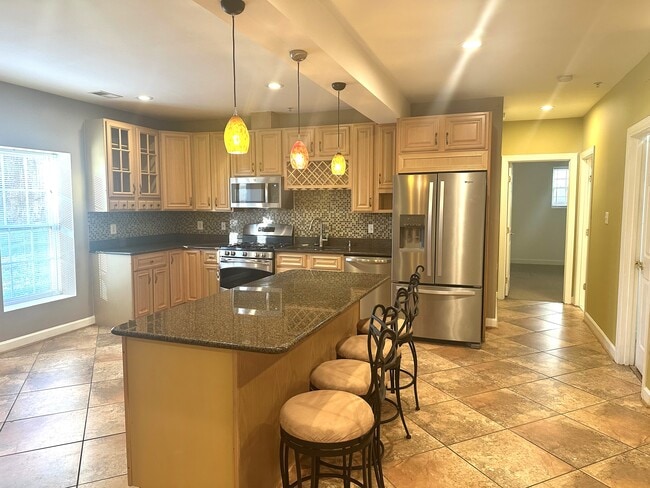
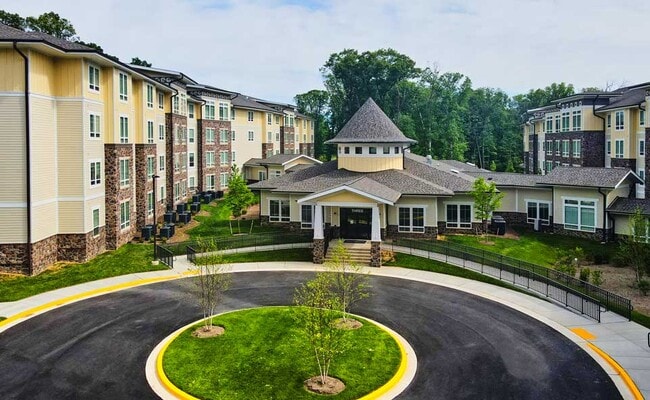
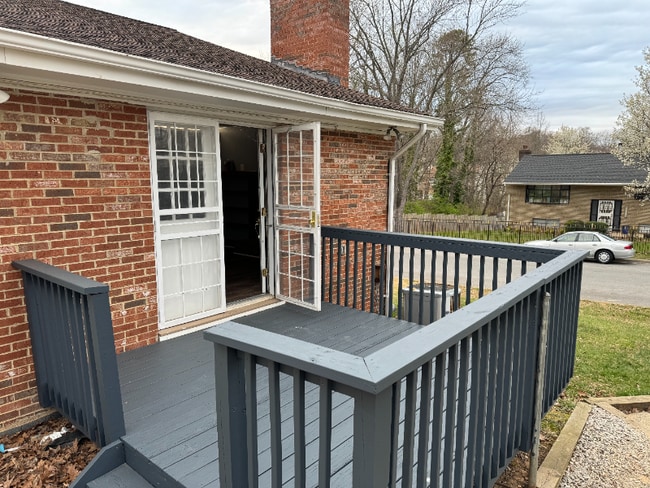
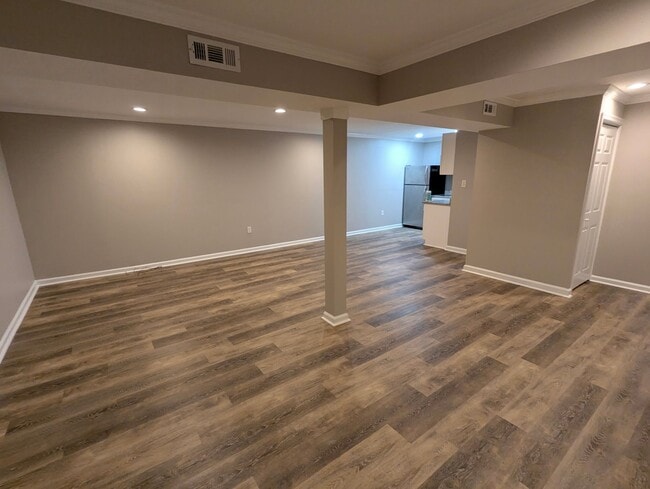
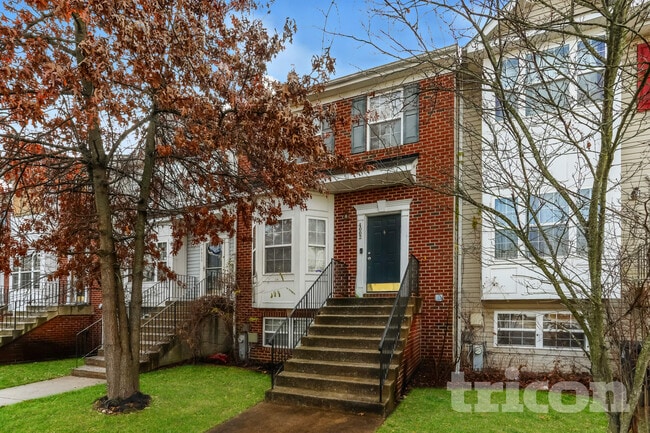
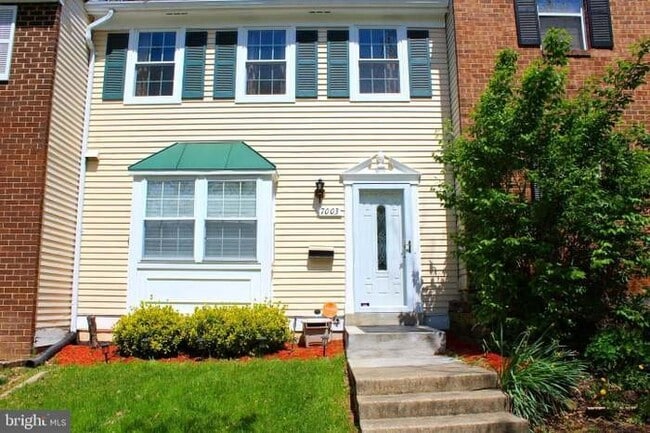
Housing here leans heavily toward single-family homes on generous lots, though renters will find apartment communities and townhome options woven throughout the area. The residential character feels settled and spacious rather than dense. Nearby communities like Lanham and Mitchellville offer additional rental inventory for those exploring the surrounding pocket of Prince George's County. With a median household income well above state and national averages, Glenn Dale draws those who want proximity to D.C. without sacrificing breathing room or a sense of neighborhood calm.

Explore the City

Getting Around

Somewhat Walkable

Walkability

30 / 100

Very Drivable

Drivability

80 / 100

Fairly Bikeable

Bikeability

40 / 100

Schools

Glenn Dale Elementary

Public

Grades K-5

504 Students

Points of Interest

Parks and Recreation

  • Howard Owens Science Center
  • NASA Goddard Space Flight Center
  • Baltimore-Washington Parkway
  • Greenbelt Park
  • Patuxent Research Refuge - South Tract

Military Bases

Airports

  • Ronald Reagan Washington Ntl
  • Baltimore/Washington International Thurgood Marshall

Top Apartments in Glenn Dale

Houses for Rent in Glenn Dale

Living in Glenn Dale

History

-

Glenn Dale's most prominent historical landmark is the Glenn Dale Hospital, a sprawling 23-building tuberculosis sanatorium that opened in 1934 to serve the deadly tuberculosis epidemic affecting the Washington, D.C. area. Spanning more than 210 acres, the complex operated as one of the leading tuberculosis treatment centers along the East Coast until it closed in 1982 due to costly renovations and asbestos contamination. Listed on the National Register of Historic Places, the abandoned buildings remain a visible reminder of mid-century public health efforts and continue to draw attention from urban explorers and history enthusiasts.

For those interested in earlier eras, the nearby Marietta House Museum offers a glimpse into 19th-century life in Prince George's County through historic reenactments, afternoon teas, and children's storytelling events. The museum also hosts the annual Marietta Wine Festival. The Glenn Dale Golf Club sits on land that was once a grant from King George before the Revolutionary War, connecting the area to its colonial past.

Restaurants

-

Glenn Dale's dining scene draws on the Chesapeake Bay traditions that define the broader Maryland and D.C. region. Freshly caught seafood — from crab cakes and steamed shrimp to the locally legendary crab bomb — anchors many local menus. Jerry's Seafood, a beloved institution with more than 25 years of history in the greater Washington area, remains a go-to destination for classic Maryland seafood done right. Southern comfort cooking is also well represented, with homestyle staples like hushpuppies, fried chicken, and braised meats rounding out the local table. Proximity to Washington, D.C. also puts a wide range of global cuisines just a short drive away.

Transportation

-

Getting around Glenn Dale means relying primarily on a personal vehicle. Greenbelt Road and Lanham Severn Road are the main local corridors, while the Washington-Baltimore Parkway (Route 295) and John Hanson Highway (US-50) offer straightforward access to Washington, D.C. and Annapolis, respectively. Commutes into D.C. average around 35 minutes. For bus service, Metro routes B24, B26, and B27 connect residents to surrounding communities. Rail travelers have access to several Amtrak stations within 30 miles. For air travel, Reagan National, Dulles International, and Baltimore-Washington International airports all serve the region.

Parks

-

Glenn Dale residents enjoy easy access to a variety of parks and outdoor amenities throughout the community. Glenn Dale Park is a local favorite, offering scenic views of Folly Branch Lake alongside baseball fields, tennis courts, and hiking trails. On warmer days, the Glenn Dale Splash Park — located next to the community center — draws families with its pool, lily pad play area, and hillside water slide. Nature enthusiasts can also explore the wooded trails and open green spaces that give the area its countryside feel. For more thrills, Six Flags America theme park is just a short drive away, rounding out the outdoor recreation options for residents of all ages.

Cost

-

Glenn Dale is a small, predominantly residential community in Prince George's County with a median household income of $130,875, reflecting its relatively affluent character within the Washington, D.C. metro area. Specific rental price data for the area is limited, which is consistent with its low-density, owner-occupied housing profile — the community is made up largely of single-family homes rather than apartment complexes. Renters looking for nearby market context can look to Lanham, MD, where one-bedroom apartments average around $1,603 per month and two-bedrooms average around $2,062. Maryland's statewide average for a one-bedroom sits at approximately $1,674 per month.

Shopping

-

Glenn Dale's retail options are anchored by Eastgate Shopping Center, a community staple that brings together well-known brands and everyday essentials — from groceries to apparel and home goods — under one roof. Greenbelt Road serves as the area's main commercial corridor, lined with a mix of local businesses catering to home improvement, lifestyle, and specialty needs. For residents who want more variety, the proximity to the greater Washington, D.C. metro area opens the door to a wide range of larger shopping destinations just a short drive away.

Highlights

-

Situated just 15 miles from Washington, D.C., Glenn Dale offers a quieter suburban pace without sacrificing access to major amenities. As an unincorporated community in Prince George's County, it's surrounded by tree-lined streets, parks, and natural green space, including Glenn Dale Park along Folly Branch Lake and the Glenn Dale Splash Park. The historic Glenn Dale Hospital — listed on the National Register of Historic Places — adds a notable layer of local history. Nearby attractions like Six Flags America and Bowie State University round out the area, while local dining staples like Jerry's Seafood have built loyal followings across the greater D.C. region for decades.

Search Nearby Rentals

Methodology

† Our analysis of utilities, groceries, transportation, healthcare, home prices, and other goods and services is sourced from the Cost of Living Index, a respected benchmark published by the Council for Community and Economic Research (C2ER) that provides a thorough overview of living expenses across different regions.

Rent data is provided by CoStar Group’s Market Trend reports. As the industry leader in commercial real estate information, analytics, and news, CoStar conducts extensive research to produce and maintain a comprehensive database of commercial real estate information. We combine this data with public record to provide the most up-to-date rental information available.

Consumer goods, services, and home prices are sourced from the Cost of Living Index published by the Council for Community and Economic Research (C2ER). The data on this page is updated quarterly. It was last published in February 2026.

Demographic information comes from Neustar and combines detailed address data with U.S. Census and American Community Survey statistics to produce reliable local estimates.