Median Age
37 Years
Largest Age Group
25-34 Years
Approximately 15% of Residents
Under 20
26%
Over 65
16%


Avg Rent
$999
Population
106,710
Renter Mix
46% Rent
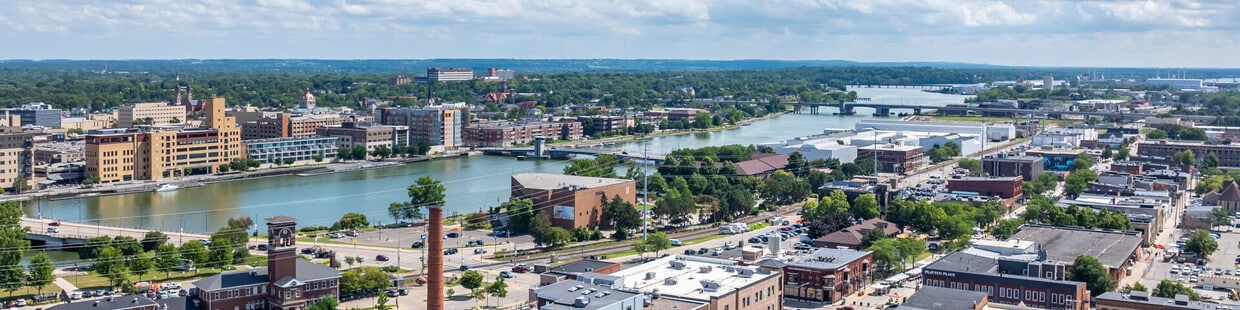
Green Bay sits where the Fox River meets Lake Michigan, giving the city a geography that has shaped its identity since French explorer Jean Nicolet established a trading post here in 1634. Today, it is the third-most populous city in Wisconsin and the county seat of Brown County, with a metro area of roughly 335,000 people. The economy spans healthcare, manufacturing, and education, with the University of Wisconsin-Green Bay serving as a key anchor alongside major employers like Bellin Health Systems and Schneider National. The Green Bay Packers are woven into the city's fabric — Lambeau Field and the surrounding Titletown District are genuine gathering points year-round, not just on game days.
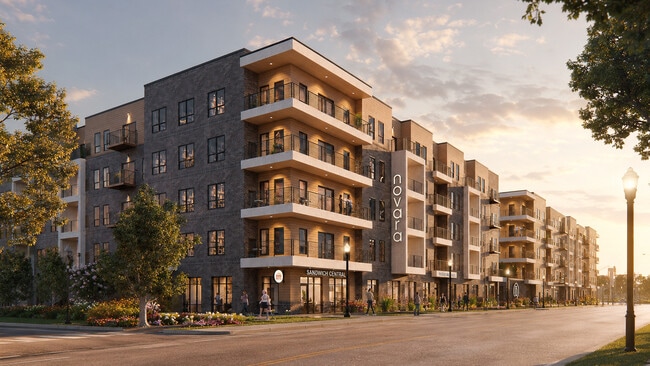
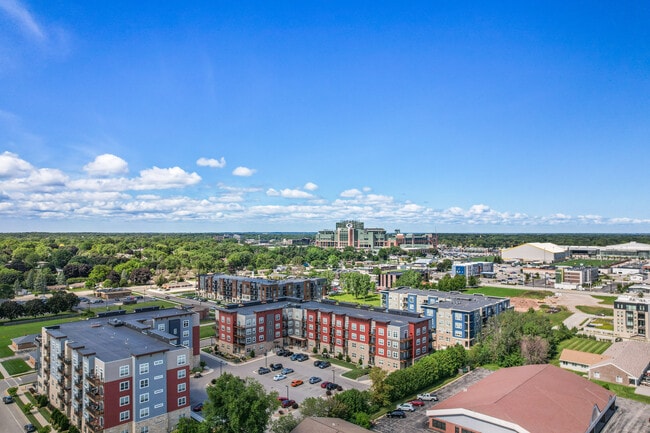
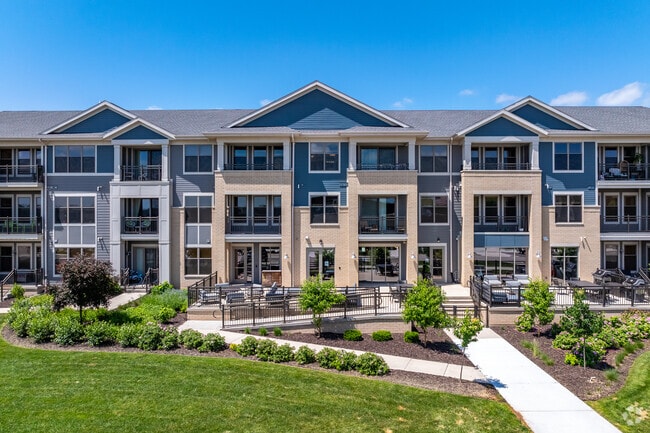
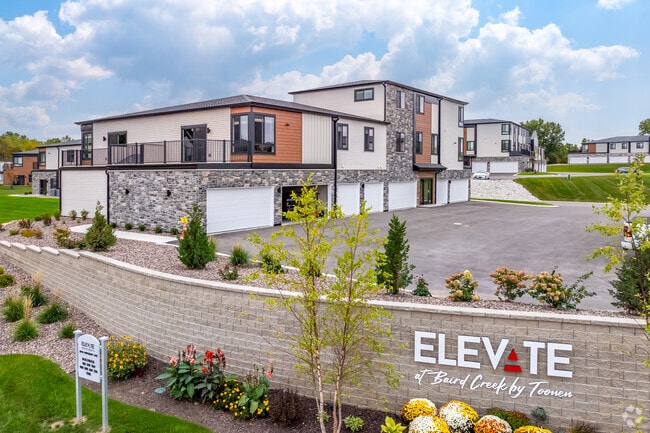
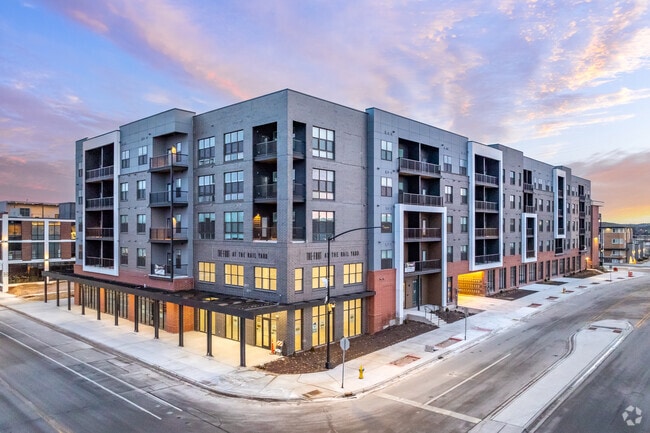
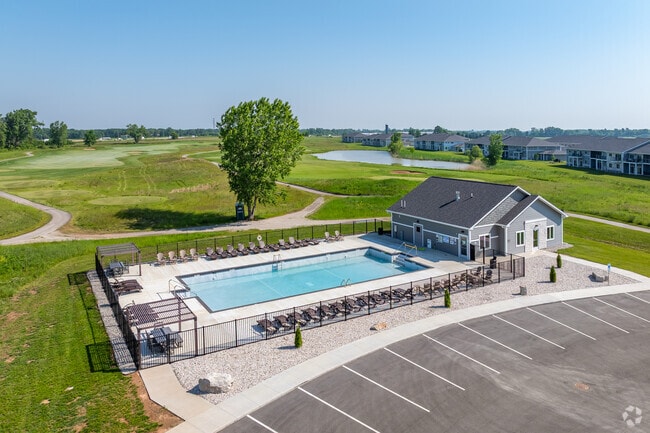
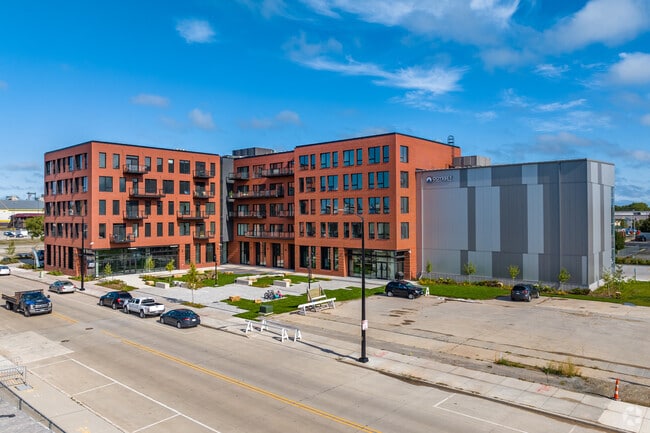
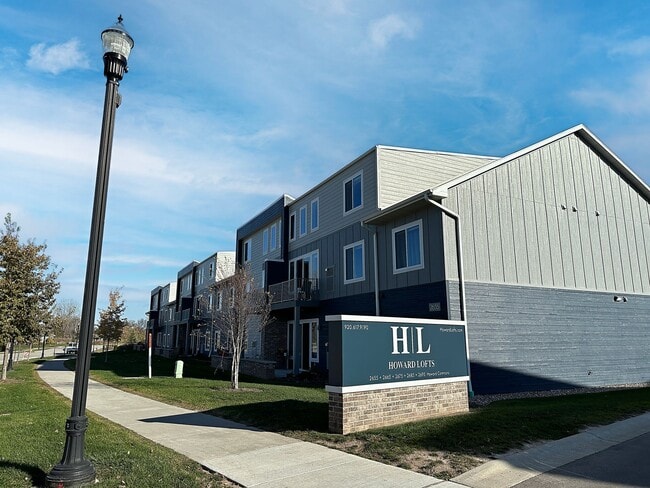
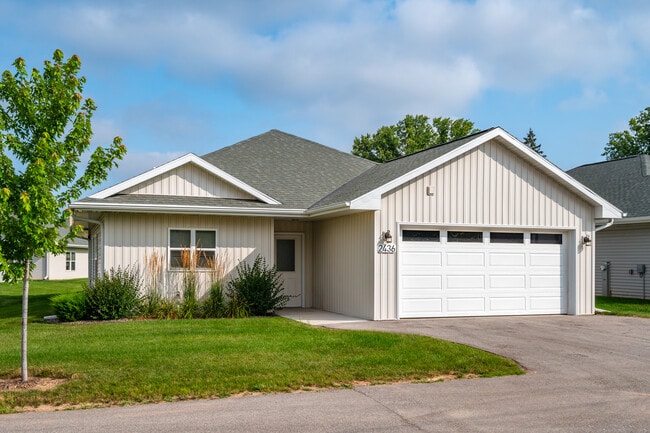
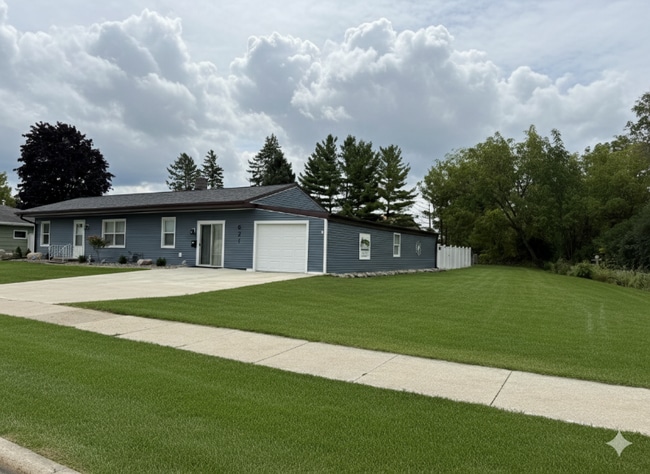
Neighborhoods here offer real variety. Downtown and the Broadway District deliver riverfront energy, the Astor Park area features tree-lined streets near major medical centers, and University Heights puts residents close to the UW-Green Bay campus and Bay Beach Wildlife Sanctuary. The rental market reflects that range — from older craftsman-style homes converted into apartments to newer apartment communities near Titletown and the West Side. Studios, one-bedrooms, and multi-bedroom units are all in steady supply, with rents that remain notably accessible compared to other Wisconsin metros. For renters who want a mid-sized city with genuine character, Green Bay delivers without pretense.
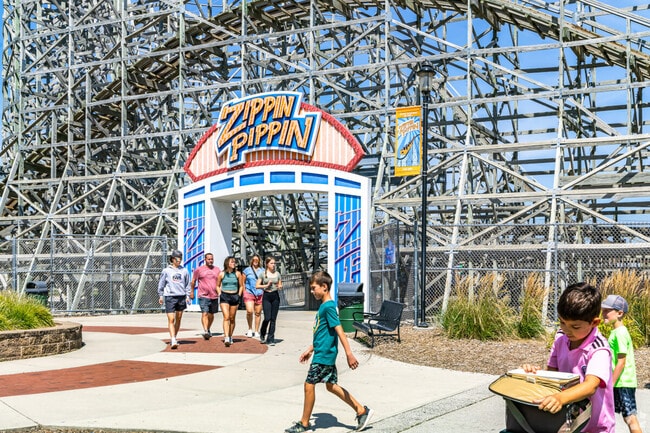
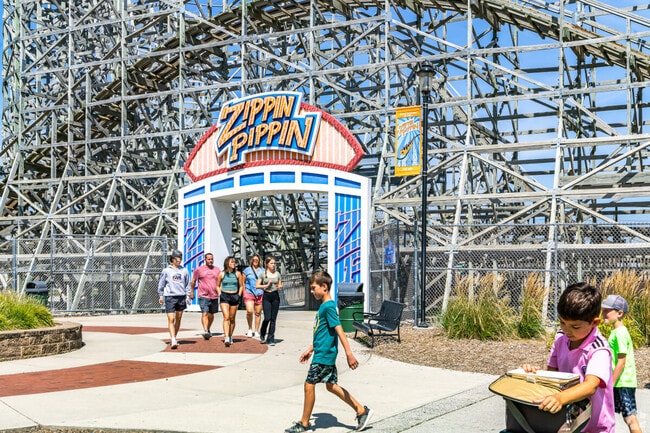
The Zippin Pippin at Bay Beach Amusement Park in East Shore Drive was Elvis's favorite ride.
Visitors from all around Green Bay are drawn to the Saturday Farmer's Market downtown.
Biking is a popular activity for locals at Admiral Flatley Park in downtown Green Bay.
Median Household Income
$55,105
Average: $69,703
Education
24,857
Residents Have a Degree
Job Market
56,246
Workers Employed
Median Age
37 Years
Largest Age Group
25-34 Years
Approximately 15% of Residents
Under 20
26%
Over 65
16%
Housing Distribution
Green Bay has more homeowners than renters.

Education Distribution
Review this city's overall education levels.

As of August 2026, the average apartment rent in Green Bay, WI is $965 for a studio, $999 for one bedroom, $1,273 for two bedrooms, and $1,677 for three bedrooms. Apartment rent in Green Bay has increased by 1.9% in the past year.
The cost of living in Green Bay, WI is 8.4% lower than the national average. Generally, housing in Green Bay is 16.3% less expensive than the national average, with rent falling between $965 - $1,677. You can expect to pay 0.1% more for groceries, 12.6% less for utilities, and 1.4% less for transportation.
Compare Cities
Explore how walkable, bikeable, drivable, and transit-friendly Green Bay, WI is for everyday living.
Fairly Walkable
Walkability
Limited Public Transit
Transit
Exceptionally Drivable
Drivability
Moderately Bikeable
Bikeability

Public
Grades K-5
815 Students

Public
Grades K-5
494 Students
Leonardo Da Vinci School For Gifted Learners
Public
Grades K-8
334 Students
Public
Grades PK-5
288 Students
Public
Grades PK-5
479 Students

Public
Grades 6-8
896 Students
Leonardo Da Vinci School For Gifted Learners
Public
Grades K-8
334 Students
Public
Grades PK-8
924 Students

Public
Grades 6-8
703 Students
Aldo Leopold Community School K-8
Public
Grades PK-8
557 Students

Public
Grades 9-12
2,125 Students

Public
Grades 9-12
1,926 Students
Public
Grades 9-12
1,084 Students
Public
Grades 9-12
998 Students
Public
Grades 9-12
862 Students
 The GreatSchools Rating helps parents compare schools within a state based on a variety of school quality indicators and provides a helpful picture of how effectively each school serves all of its students. Ratings are on a scale of 1 (below average) to 10 (above average) and can include test scores, college readiness, academic progress, advanced courses, equity, discipline and attendance data. We also advise parents to visit schools, consider other information on school performance and programs, and consider family needs as part of the school selection process.
View GreatSchools Rating Methodology
Data provided by
GreatSchools.org
© 2026. All rights reserved.
The GreatSchools Rating helps parents compare schools within a state based on a variety of school quality indicators and provides a helpful picture of how effectively each school serves all of its students. Ratings are on a scale of 1 (below average) to 10 (above average) and can include test scores, college readiness, academic progress, advanced courses, equity, discipline and attendance data. We also advise parents to visit schools, consider other information on school performance and programs, and consider family needs as part of the school selection process.
View GreatSchools Rating Methodology
Data provided by
GreatSchools.org
© 2026. All rights reserved.
† Our analysis of utilities, groceries, transportation, healthcare, home prices, and other goods and services is sourced from the Cost of Living Index, a respected benchmark published by the Council for Community and Economic Research (C2ER) that provides a thorough overview of living expenses across different regions.
Rent data is provided by CoStar Group’s Market Trend reports. As the industry leader in commercial real estate information, analytics, and news, CoStar conducts extensive research to produce and maintain a comprehensive database of commercial real estate information. We combine this data with public record to provide the most up-to-date rental information available.
Consumer goods, services, and home prices are sourced from the Cost of Living Index published by the Council for Community and Economic Research (C2ER). The data on this page is updated quarterly. It was last published in June 2026.
Demographic information comes from Neustar and combines detailed address data with U.S. Census and American Community Survey statistics to produce reliable local estimates.