Median Age
42 Years
Largest Age Group
35-44 Years
Approximately 15% of Residents
Under 20
21%
Over 65
20%

Area Guide
Avg Rent
$1,245
Population
4,133
Renter Mix
37% Rent
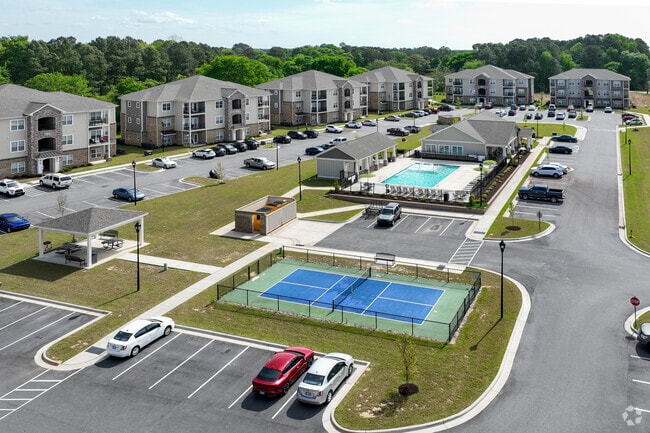
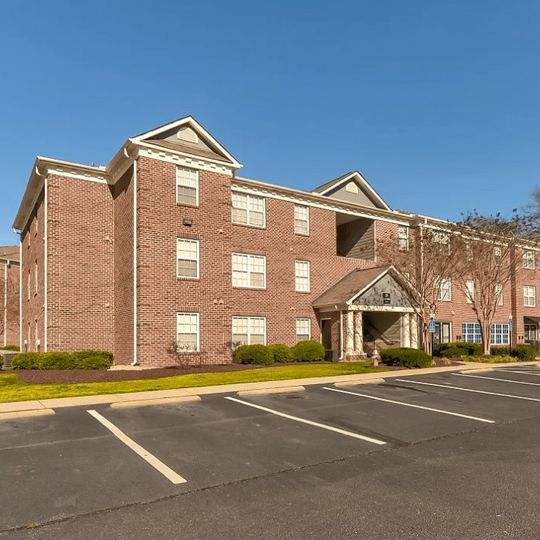
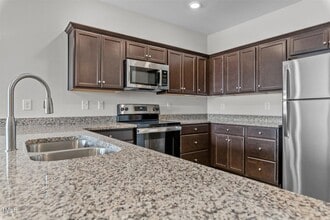
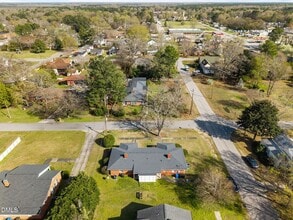
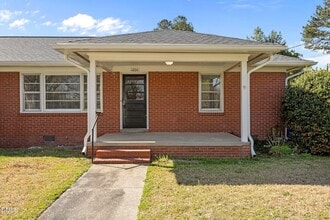
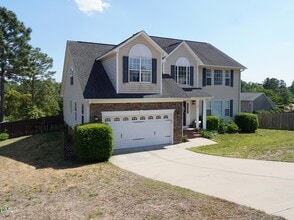
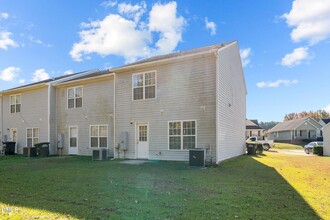
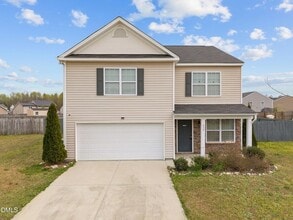
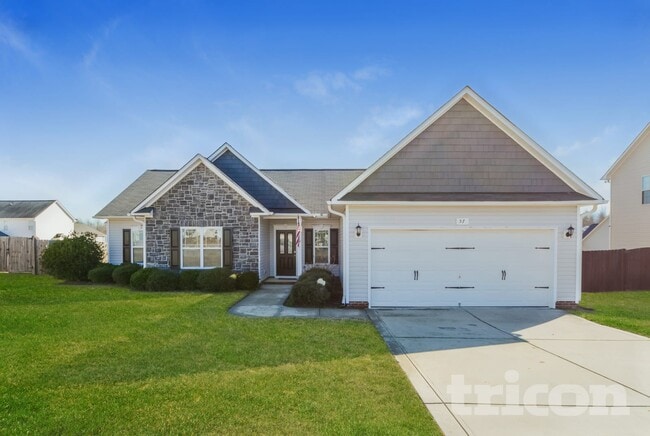
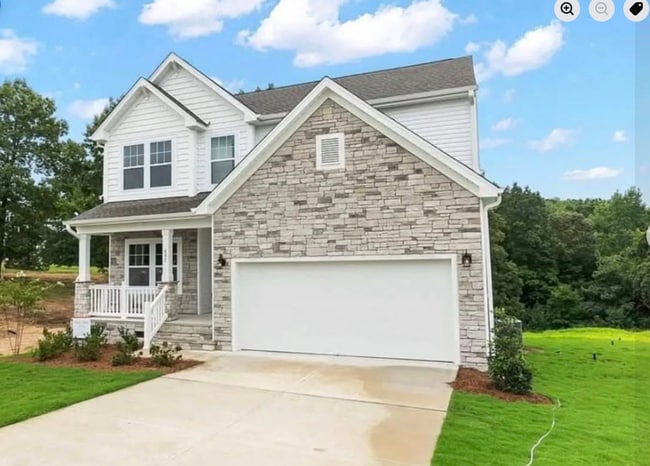
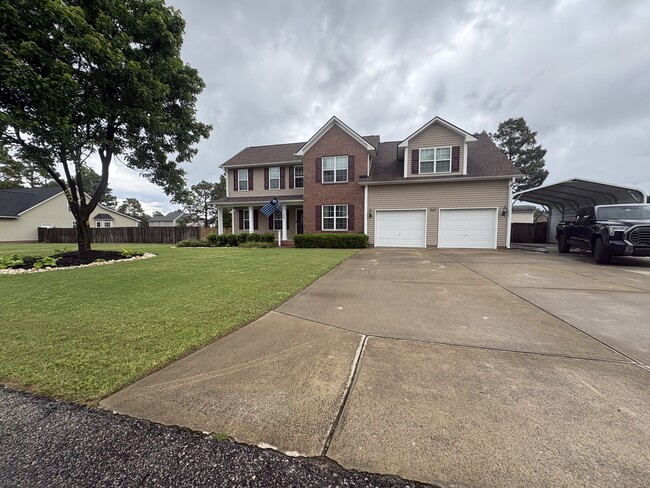
Lillington sits at the heart of Harnett County, roughly halfway between Raleigh and Fayetteville along the Cape Fear River, giving it a small-town character with surprisingly strong connections to two of North Carolina's major metros. As the county seat, it serves as a hub for local government, commerce, and community activity, all within a compact five-square-mile footprint that keeps daily life easygoing and grounded. Campbell University, located just east of town in Buies Creek, draws students, faculty, and staff into the broader community, adding an educational anchor that influences the area's pace and energy. Downtown Lillington has a quiet, walkable core with locally rooted businesses and a Main Street feel that reflects the town's deep ties to the surrounding countryside. The housing landscape here offers genuine variety for renters: modest garden-style apartment communities, townhomes, and single-family rentals give prospective residents options at different space and lifestyle preferences. Because Lillington falls within the greater Raleigh-Durham-Cary combined statistical area, commuters can reach Research Triangle employment centers in about 45 minutes, making it an appealing base for those who want a quieter setting without sacrificing access to larger job markets. The Cape Fear River runs nearby, reinforcing the outdoor-oriented rhythm that defines life in this corner of central North Carolina.
Median Household Income
$57,611
Average: $74,244
Education
797
Residents Have a Degree
Job Market
1,724
Workers Employed
Median Age
42 Years
Largest Age Group
35-44 Years
Approximately 15% of Residents
Under 20
21%
Over 65
20%
Housing Distribution
Lillington has more homeowners than renters.

Education Distribution
Review this city's overall education levels.

As of May 2026, the average apartment rent in Lillington, NC is $1,245 for one bedroom, $1,425 for two bedrooms, and $1,872 for three bedrooms. Apartment rent in Lillington has increased by 0.9% in the past year.
Explore how walkable, bikeable, drivable, and transit-friendly Lillington, NC is for everyday living.
Somewhat Walkable
Walkability
Exceptionally Drivable
Drivability

Public
Grades K-12
122 Students

Lillington-Shawtown Elementary
Public
Grades PK-5
694 Students

Public
Grades PK-5
507 Students

Public
Grades 6-8
820 Students

Public
Grades K-12
122 Students
Public
Grades K-12
122 Students
Public
Grades 9-12
1,386 Students
 The GreatSchools Rating helps parents compare schools within a state based on a variety of school quality indicators and provides a helpful picture of how effectively each school serves all of its students. Ratings are on a scale of 1 (below average) to 10 (above average) and can include test scores, college readiness, academic progress, advanced courses, equity, discipline and attendance data. We also advise parents to visit schools, consider other information on school performance and programs, and consider family needs as part of the school selection process.
View GreatSchools Rating Methodology
Data provided by
GreatSchools.org
© 2026. All rights reserved.
The GreatSchools Rating helps parents compare schools within a state based on a variety of school quality indicators and provides a helpful picture of how effectively each school serves all of its students. Ratings are on a scale of 1 (below average) to 10 (above average) and can include test scores, college readiness, academic progress, advanced courses, equity, discipline and attendance data. We also advise parents to visit schools, consider other information on school performance and programs, and consider family needs as part of the school selection process.
View GreatSchools Rating Methodology
Data provided by
GreatSchools.org
© 2026. All rights reserved.
† Our analysis of utilities, groceries, transportation, healthcare, home prices, and other goods and services is sourced from the Cost of Living Index, a respected benchmark published by the Council for Community and Economic Research (C2ER) that provides a thorough overview of living expenses across different regions.
Rent data is provided by CoStar Group’s Market Trend reports. As the industry leader in commercial real estate information, analytics, and news, CoStar conducts extensive research to produce and maintain a comprehensive database of commercial real estate information. We combine this data with public record to provide the most up-to-date rental information available.
Consumer goods, services, and home prices are sourced from the Cost of Living Index published by the Council for Community and Economic Research (C2ER). The data on this page is updated quarterly. It was last published in February 2026.
Demographic information comes from Neustar and combines detailed address data with U.S. Census and American Community Survey statistics to produce reliable local estimates.