Median Age
44 Years
Largest Age Group
60-69 Years
Approximately 14% of Residents
Under 20
21%
Over 65
23%


Avg Rent
$1,476
Population
54,245
Renter Mix
16% Rent
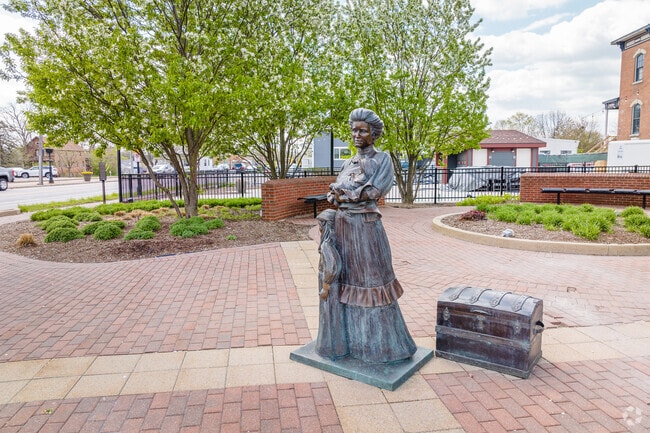
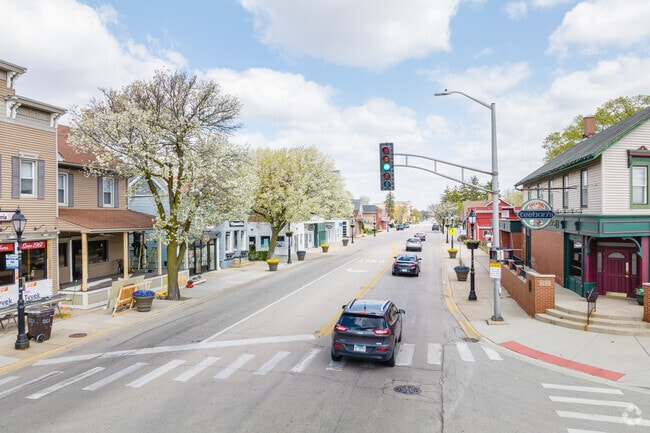
Tinley Park has earned the motto "Life Amplified" for good reason: this southwest Chicago suburb pairs a nationally recognized outdoor music venue with a walkable, historic downtown and a strong sense of community. About 25 miles from downtown Chicago in Cook and Will counties, the village anchors daily life around Oak Park Avenue, where preserved storefronts from the 1880s house independent restaurants, pubs, and cafes. Zabrocki Plaza adds a gathering spot at the heart of it all, hosting a farmers market every Saturday morning from May through October, complete with live music.
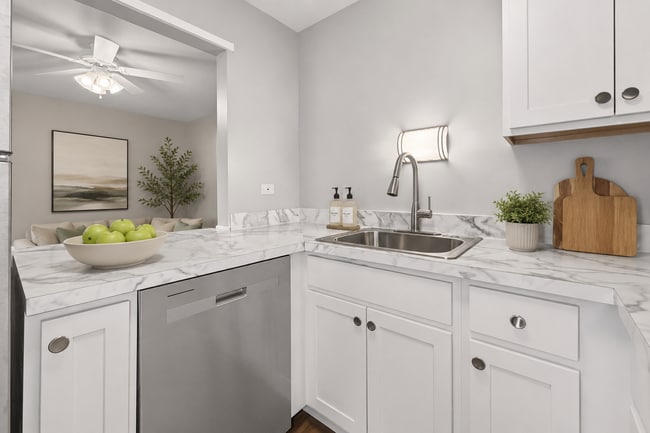
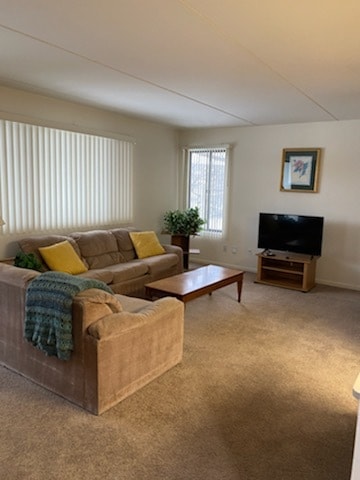
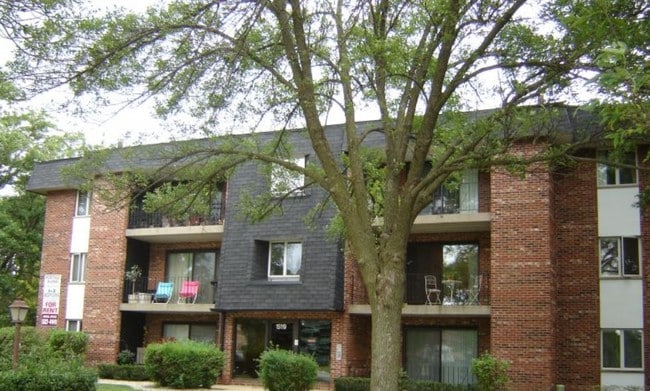
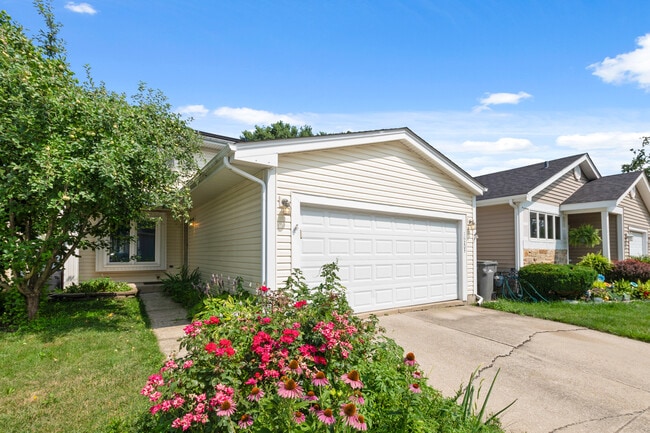
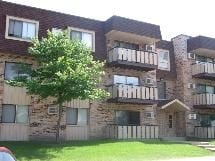
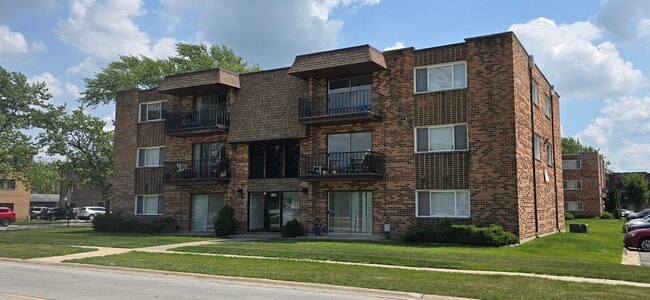
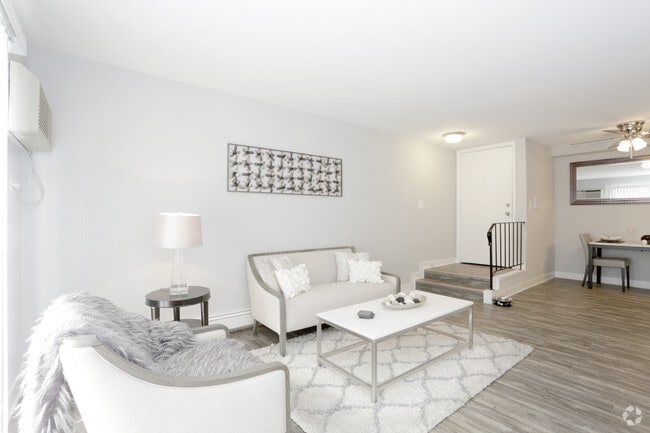
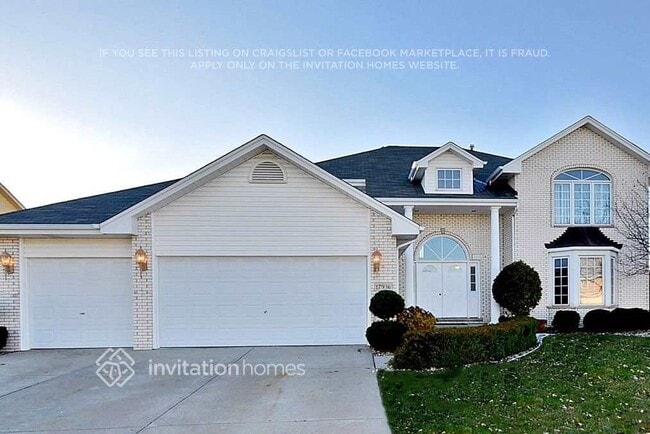
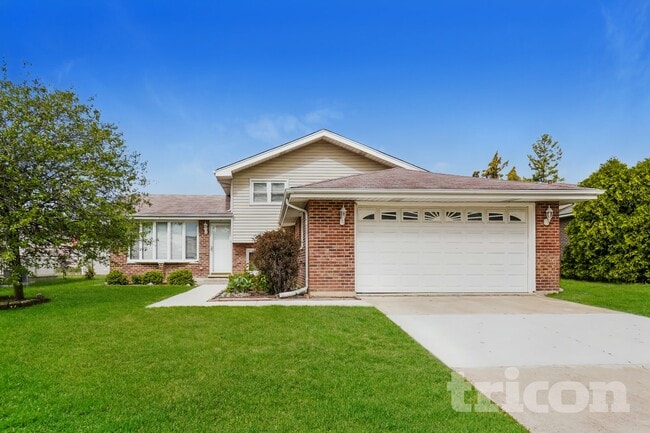
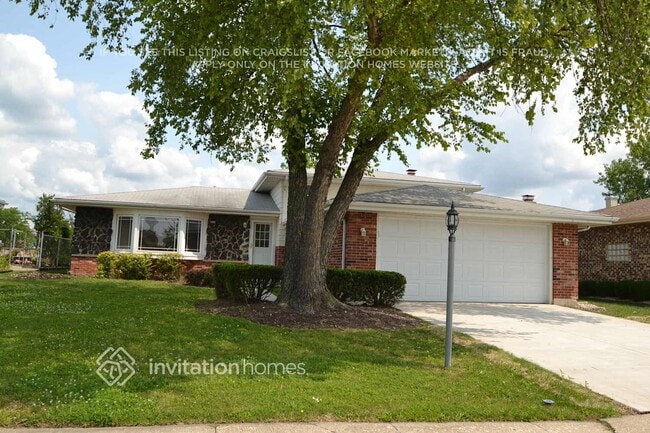
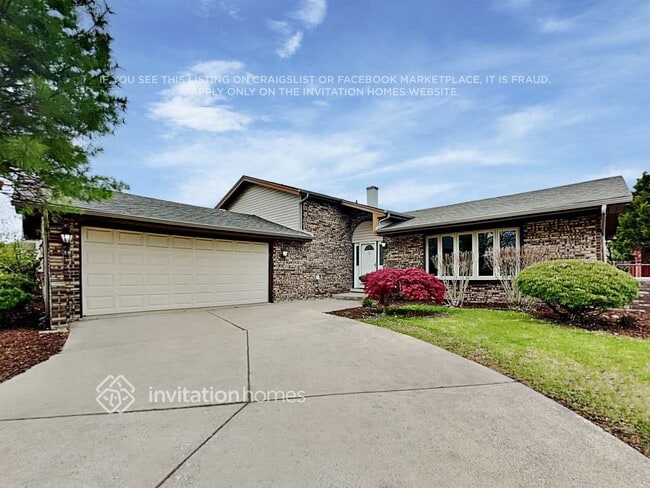
Renters can choose from well-maintained apartment communities, modern condos, and townhome developments spread across the village. Single-story ranch homes, split-level layouts, and prairie-style architecture round out the housing mix. The village has a firm economic base in education, healthcare, manufacturing, and retail. The Credit Union 1 Amphitheatre, one of the country's top-ranked outdoor music venues, giving Tinley Park an entertainment identity that reaches far beyond its borders.
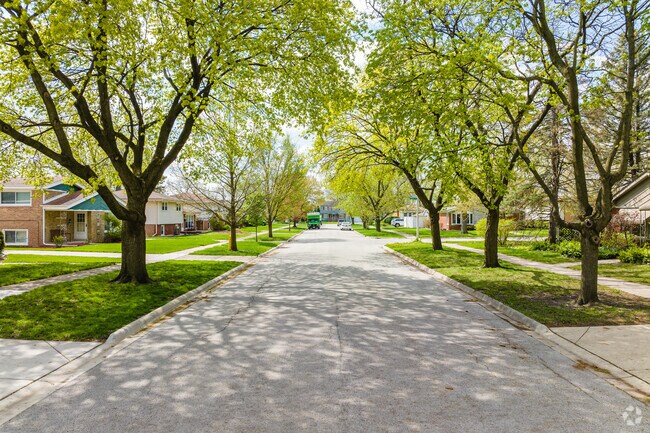
Tinley Park has many lush, tree-lined streets in the neighborhood.
Downtown Tinley Park is adorned with blooming trees.
Tinley Park residents take advantage of a nice winter day in Yankee Woods Forest Preserve.
Tinley Park Public Library is open 7 days a week.
Tinley Park was officially incorporated in 1892.
Tinley Park is located in the southwest suburbs of Chicago.
Median Household Income
$91,838
Average: $113,287
Education
16,677
Residents Have a Degree
Job Market
29,992
Workers Employed
Median Age
44 Years
Largest Age Group
60-69 Years
Approximately 14% of Residents
Under 20
21%
Over 65
23%
Housing Distribution
Tinley Park has more homeowners than renters.

Education Distribution
Review this city's overall education levels.

As of September 2026, the average apartment rent in Tinley Park, IL is $981 for a studio, $1,477 for one bedroom, $1,709 for two bedrooms, and $2,156 for three bedrooms. Apartment rent in Tinley Park has increased by 3.3% in the past year.
Explore how walkable, bikeable, drivable, and transit-friendly Tinley Park, IL is for everyday living.
Somewhat Walkable
Walkability
Good Public Transit
Transit
Exceptionally Drivable
Drivability
Moderately Bikeable
Bikeability

Public
Grades PK-5
484 Students

Public
Grades PK-5
468 Students
John A Bannes Elementary School
Public
Grades PK-5
416 Students

Helen Keller Elementary School
Public
Grades PK-5
411 Students
Public
Grades PK-5
309 Students
Public
Grades 6-8
724 Students
Virgil I Grissom Middle School
Public
Grades 6-8
623 Students
Public
Grades 6-8
576 Students
Public
Grades 9-12
972 Students
 The GreatSchools Rating helps parents compare schools within a state based on a variety of school quality indicators and provides a helpful picture of how effectively each school serves all of its students. Ratings are on a scale of 1 (below average) to 10 (above average) and can include test scores, college readiness, academic progress, advanced courses, equity, discipline and attendance data. We also advise parents to visit schools, consider other information on school performance and programs, and consider family needs as part of the school selection process.
View GreatSchools Rating Methodology
Data provided by
GreatSchools.org
© 2026. All rights reserved.
The GreatSchools Rating helps parents compare schools within a state based on a variety of school quality indicators and provides a helpful picture of how effectively each school serves all of its students. Ratings are on a scale of 1 (below average) to 10 (above average) and can include test scores, college readiness, academic progress, advanced courses, equity, discipline and attendance data. We also advise parents to visit schools, consider other information on school performance and programs, and consider family needs as part of the school selection process.
View GreatSchools Rating Methodology
Data provided by
GreatSchools.org
© 2026. All rights reserved.
† Our analysis of utilities, groceries, transportation, healthcare, home prices, and other goods and services is sourced from the Cost of Living Index, a respected benchmark published by the Council for Community and Economic Research (C2ER) that provides a thorough overview of living expenses across different regions.
Rent data is provided by CoStar Group’s Market Trend reports. As the industry leader in commercial real estate information, analytics, and news, CoStar conducts extensive research to produce and maintain a comprehensive database of commercial real estate information. We combine this data with public record to provide the most up-to-date rental information available.
Consumer goods, services, and home prices are sourced from the Cost of Living Index published by the Council for Community and Economic Research (C2ER). The data on this page is updated quarterly. It was last published in September 2026.
Demographic information comes from Neustar and combines detailed address data with U.S. Census and American Community Survey statistics to produce reliable local estimates.