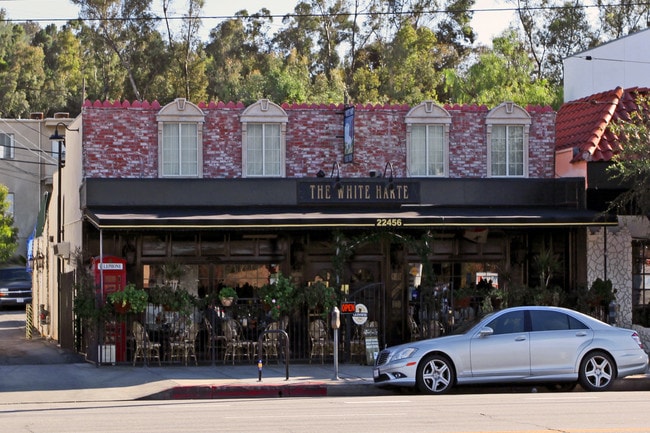
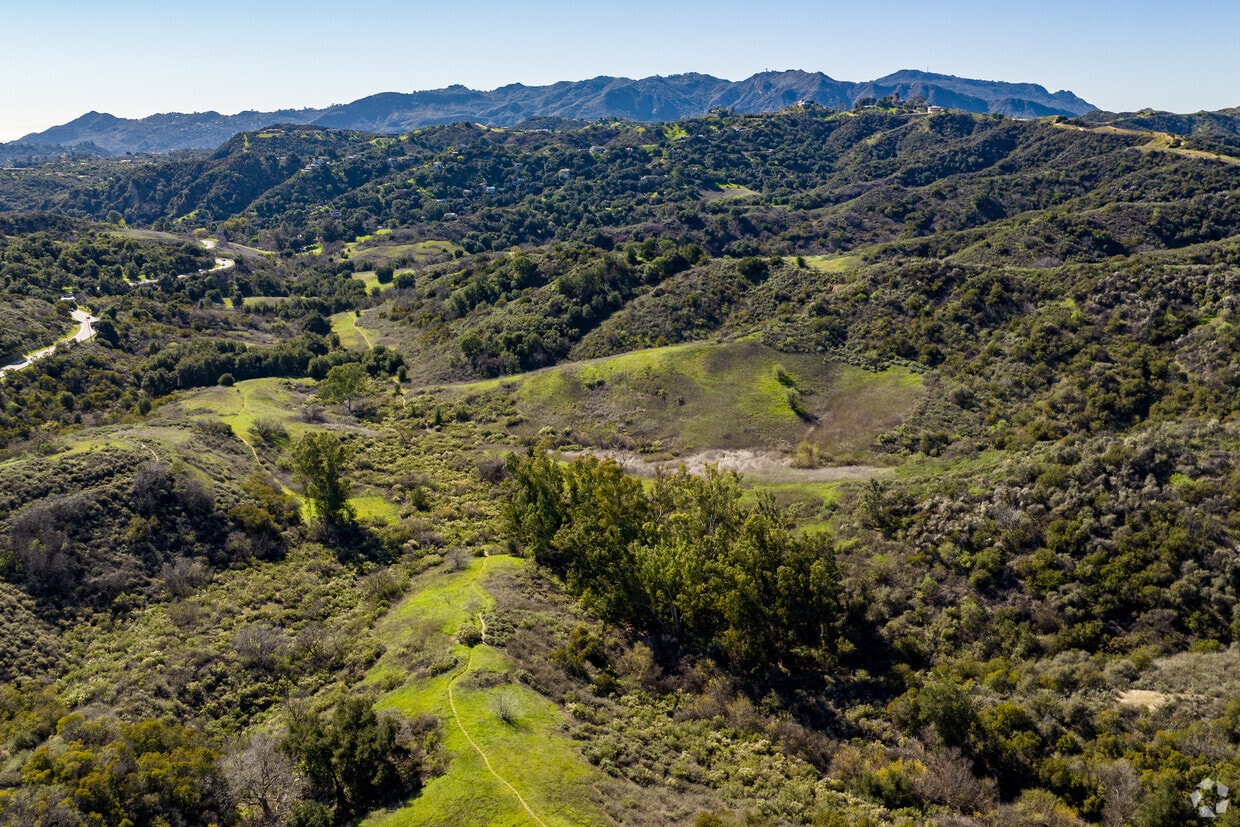
nature area near Top of Topanga Overlook 1
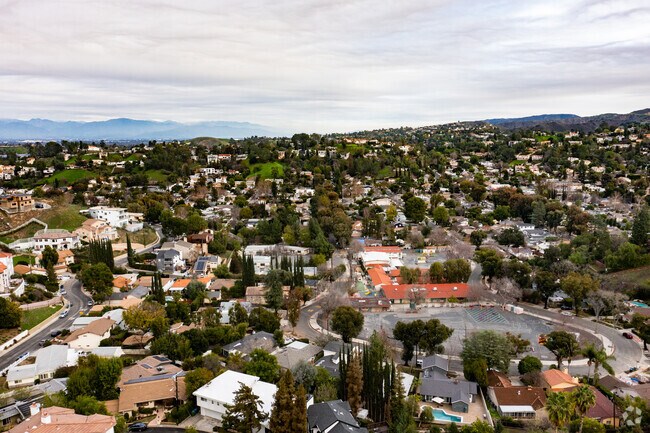
aerial of neighborhood with mountains and school
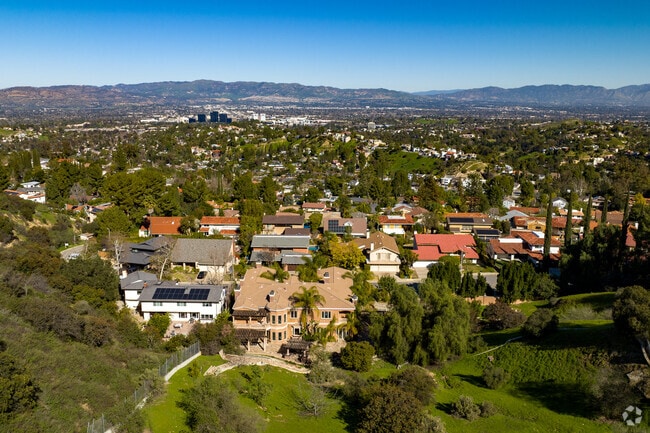
view from Top of Topanga Overlook
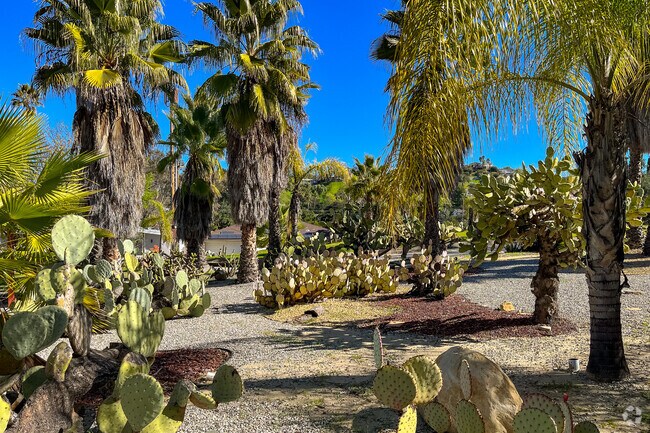
Cactus garden 2

Woodland Hills, CA

Area Guide

Avg Rent

$2,433

Population

129,925

Renter Mix

51% Rent

A pristine suburb in the hills of Southern California

Suburb Mountains Affluent

Woodland Hills sits at the southwestern edge of the San Fernando Valley, where the Santa Monica Mountains form a natural backdrop and 120,000 trees planted in the 1920s still shade the streets today. The neighborhood is part of the City of Los Angeles, yet it carries a quieter, more spread-out character than most of the city. Warner Center serves as the commercial and employment core, drawing businesses, retail, and dining to the heart of the community. Pierce College, with its 426-acre campus and working farm, adds an educational anchor that shapes the area's rhythm throughout the year.

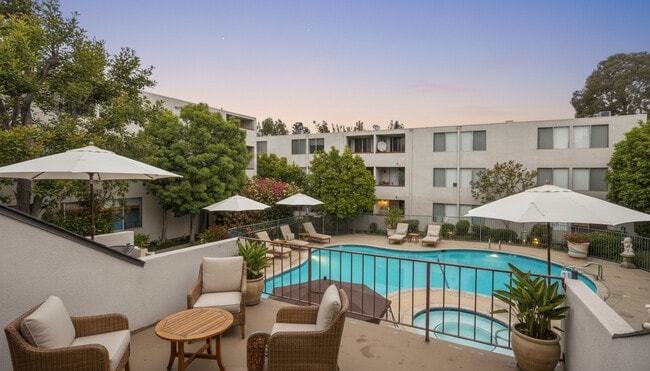
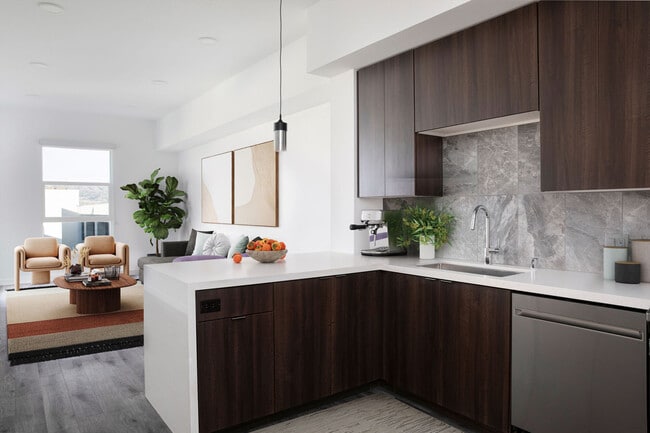
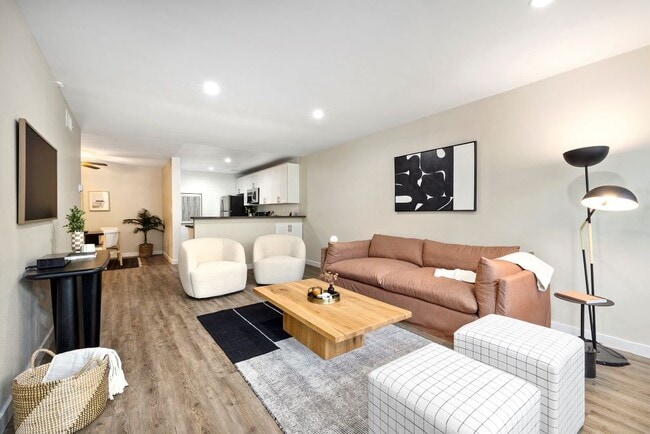
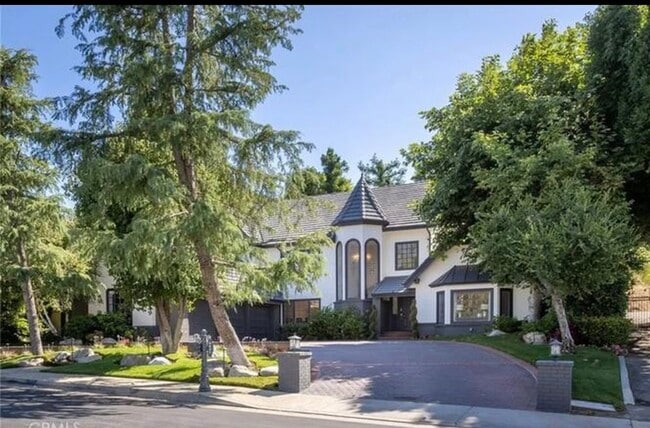
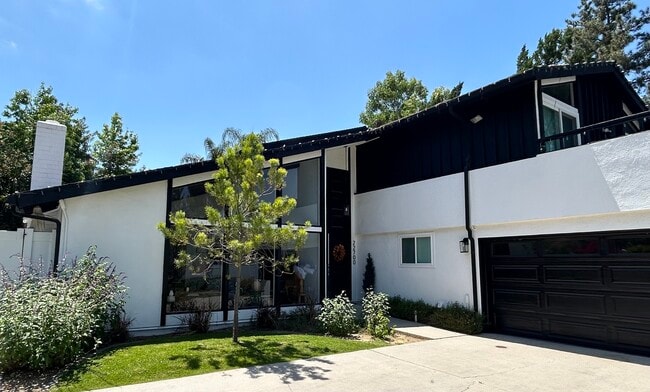
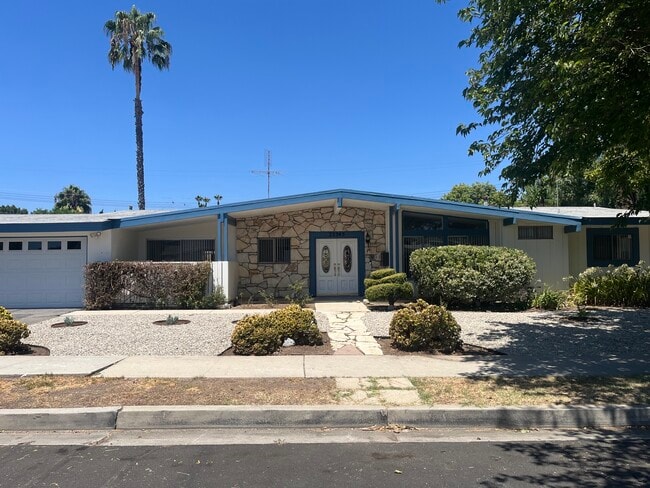
The housing mix leans toward garden-style apartment communities, low-rise buildings, and single-family rentals, with options concentrated near Ventura Boulevard and Warner Center. Renters who want more space or a hillside setting can find that here, often at a premium compared to neighboring areas like Canoga Park or Tarzana. The Upper Las Virgenes Canyon Open Space Preserve and Serrania Park offer serious trail access without leaving the neighborhood. A car is generally necessary given the area's scale, but the 101 Freeway keeps the broader city within reach.

Explore the City

aerial of neighborhood with mountains and school

view from Top of Topanga Overlook

Cactus garden 2

Warner Village Condominiums offer tree lined streets and a secluded feel in Los Angeles.

Warner Center Park

Warner Center Park

Demographics

Median Household Income

$103,480

Average: $133,394

Education

55,484

Residents Have a Degree

Job Market

69,229

Workers Employed

Age Distribution
Get a sense of this area's population profile.

Median Age

41 Years

Largest Age Group

30-39 Years

Approximately 14% of Residents

Under 20

22%

Over 65

19%
Housing Distribution

Woodland Hills has more renters than homeowners.

Renters
51%
Non-Renters
49%

Education Distribution

Review this city's overall education levels.

Bachelor's or Higher
37%
Other Education
63%

Rent Trends

As of May 2026, the average apartment rent in Woodland Hills, CA is $1,932 for a studio, $2,440 for one bedroom, $3,160 for two bedrooms, and $3,650 for three bedrooms. Apartment rent in Woodland Hills has decreased by -3.7% in the past year.

Property Type
Average Rent
Average Sq Ft
Apartment
$2,440/month
755 Sq Ft
House
$7,759/month
2,077 Sq Ft
Condo
$3,065/month
941 Sq Ft
See Rental Market Trends in Woodland Hills, CA

Getting Around

Fairly Walkable

Walkability

40 / 100

Minimal Public Transit

Transit

10 / 100

Exceptionally Drivable

Drivability

90 / 100

Fairly Bikeable

Bikeability

40 / 100

Points of Interest

Parks and Recreation

  • NatureBridge at Santa Monica Mountains
  • NatureBridge at Channel Islands
  • Orcutt Ranch Horticultural Center
  • Reseda Park Lake
  • Upper Las Virgenes Canyon Open Space Preserve

Airports

  • Bob Hope
  • Los Angeles International

Top Apartments in Woodland Hills

Houses for Rent in Woodland Hills

Property Management Companies in Woodland Hills, CA

Living in Woodland Hills

History

-

Woodland Hills took shape in the 1920s when developer Victor Girard Kleinberger purchased nearly 3,000 acres and planted 120,000 trees to transform the area into a planned community. Originally named Girard, the neighborhood was rebranded as Woodland Hills in 1945, and that early vision remains visible today along Canoga Avenue, where 300 of the original pepper trees still stand as a designated historic monument. Before development, the land was home to Fernandeño-Tataviam and Chumash-Venturaño peoples for thousands of years, with settlements near Calabasas Creek and throughout the surrounding mountains.

The Leonis Adobe and Plummer Museum, located just west of Woodland Hills, offers a look at 19th-century San Fernando Valley ranch life and serves as one of the area's few preserved historic sites. Beyond this landmark, Woodland Hills doesn't maintain a concentrated historic district, but the tree canopy and residential layout reflect the developer-driven planning era that shaped much of the Valley. The neighborhood evolved from rural to suburban through the mid-20th century, eventually becoming part of Los Angeles proper.

Restaurants

-

Woodland Hills has a well-developed dining scene centered along Ventura Boulevard and the Warner Center commercial area, where a wide range of options spans casual to upscale. Residents regularly find Japanese cuisine, including sushi and sashimi, alongside French bistro-style cooking, Mediterranean fare, and Greek-influenced dishes. The neighborhood also reflects the broader San Fernando Valley's strong Persian and Middle Eastern food culture, with local markets and eateries offering flatbreads, hummus, and herb-forward dishes rooted in those culinary traditions. British pub fare adds another dimension to the mix, with a few pubs along Ventura drawing a consistent local crowd.

Transportation

-

Woodland Hills is a car-dependent neighborhood where most residents rely on the freeway system to get around. The 101 Freeway runs directly through the area, connecting commuters east toward downtown Los Angeles and west toward Ventura and Santa Barbara counties. The flat commercial corridor along Ventura Boulevard is reasonably walkable and bikeable, but the hillside residential areas to the south are harder to navigate without a car. Metro bus lines serve Ventura Boulevard and other major streets, and the Warner Center area offers access to the Orange Line Busway, which runs east to the North Hollywood Metro Rail station. Bob Hope Airport in Burbank and Los Angeles International Airport are both accessible via the freeway system.

Parks

-

Woodland Hills residents have strong access to outdoor spaces, from neighborhood parks to expansive natural preserves. Warner Center Park anchors the community with playgrounds, running trails, summer movie nights on the grass, free Sunday concerts, and Fourth of July fireworks. Serrania Park and the Woodland Hills Recreation Center offer additional green space for everyday use. Just beyond the neighborhood's southern edge, the Upper Las Virgenes Canyon Open Space Preserve provides miles of hiking and equestrian trails with sweeping San Fernando Valley views. The Santa Monica Mountains, which border Woodland Hills directly, offer year-round outdoor recreation across a network of connected open spaces accessible without a long drive.

Cost

-

Woodland Hills sits within the broader Los Angeles market, where overall cost of living runs significantly above the national average, driven primarily by housing costs. Within that context, the neighborhood carries rents that reflect its San Fernando Valley location, with one-bedroom apartments averaging around $2,430 and two-bedroom units averaging around $3,139. Studios are available at a lower entry point, while three-bedroom rentals climb higher. The housing mix includes apartment communities, single-family homes, and some townhomes. Nearby communities such as Tarzana and Winnetka offer comparatively lower price points, while Calabasas to the west trends higher.

Shopping

-

Warner Center serves as the retail hub of Woodland Hills, anchoring the neighborhood with a concentration of shopping that includes Westfield Topanga and The Village at Westfield Topanga. Together, these centers bring together well over 300 stores and restaurants, spanning accessible everyday retailers alongside higher-end options, all with ample free parking. Ventura Boulevard extends the shopping experience with a more walkthrough corridor of local shops, services, and specialty stores. Residents who prefer open-air browsing can visit the Pierce College Farmers Market, a longstanding community fixture that draws locals for fresh produce and artisan goods on weekends.

Search Nearby Rentals

Methodology

† Our analysis of utilities, groceries, transportation, healthcare, home prices, and other goods and services is sourced from the Cost of Living Index, a respected benchmark published by the Council for Community and Economic Research (C2ER) that provides a thorough overview of living expenses across different regions.

Rent data is provided by CoStar Group’s Market Trend reports. As the industry leader in commercial real estate information, analytics, and news, CoStar conducts extensive research to produce and maintain a comprehensive database of commercial real estate information. We combine this data with public record to provide the most up-to-date rental information available.

Consumer goods, services, and home prices are sourced from the Cost of Living Index published by the Council for Community and Economic Research (C2ER). The data on this page is updated quarterly. It was last published in February 2026.

Demographic information comes from Neustar and combines detailed address data with U.S. Census and American Community Survey statistics to produce reliable local estimates.